
All posts
LLMs: A Complete Guide to AI-Enabled Marketing Success in 2025
The marketing landscape has undergone a seismic shift. While some marketers are still manually crafting campaigns, others have discovered the secret weapon that's transforming their productivity: Large Language Models (L
Aadmin·August 6, 2025·6 min read
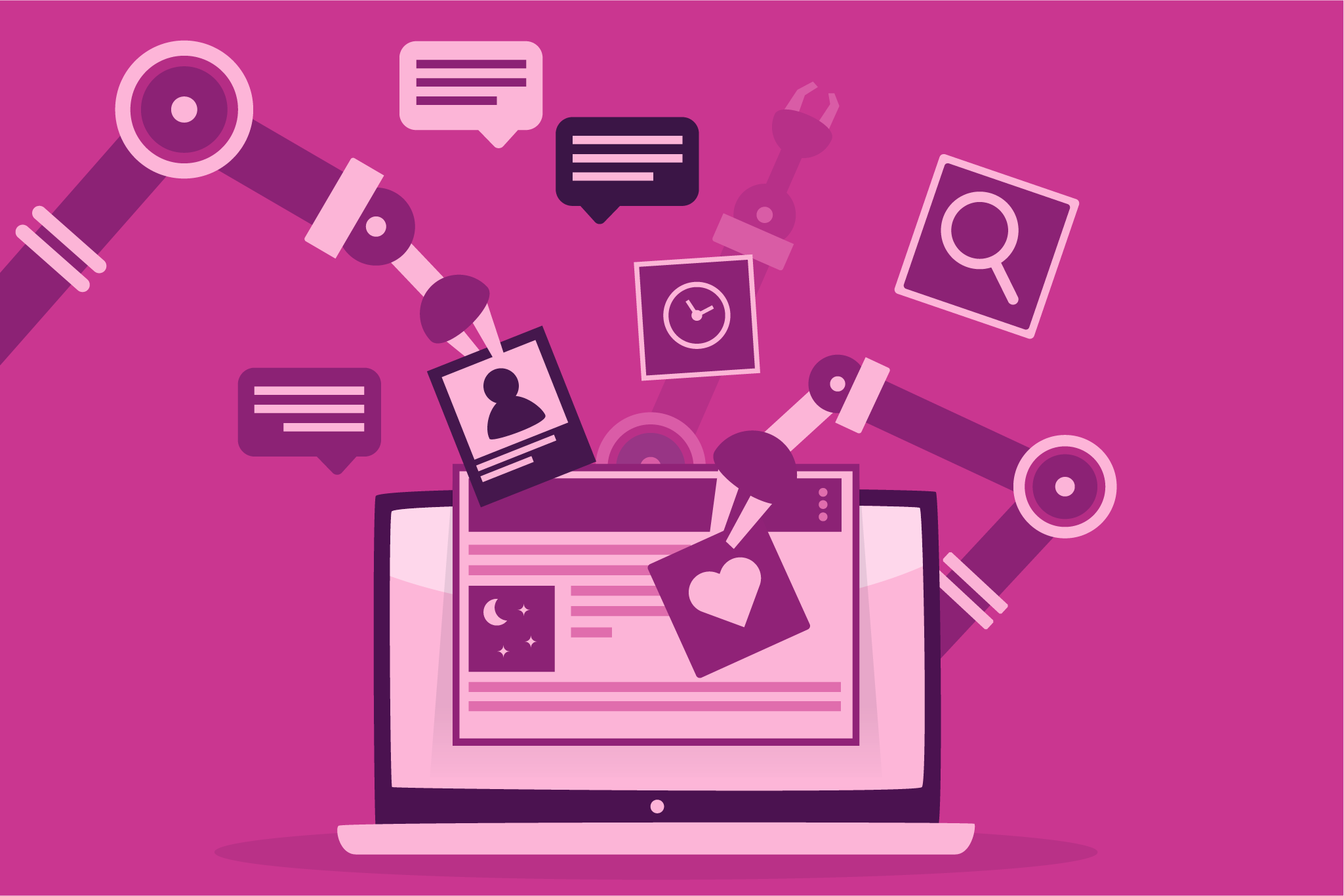
The marketing landscape has undergone a seismic shift. While some marketers are still manually crafting campaigns, others have discovered the secret weapon that's transforming their productivity: Large Language Models (LLMs). These AI-enabled tools are redefining what's possible in modern marketing.
If you've noticed professionals suddenly become marketing powerhouses, churning out high-quality content at unprecedented speeds, chances are they've embraced LLM technology.
AI revolutionizing marketing is inevitable. The question is, will you be leading the charge or playing catch-up?
Understanding LLM Marketing: The New Paradigm
LLM marketing represents a fundamental shift in how marketing teams approach content creation, customer engagement, and campaign optimization. At its core, it involves leveraging sophisticated AI models like GPT-4, Claude, and other large language models to automate, enhance, and accelerate critical marketing functions. This isn’t replacing human creativity, it’s amplifying it. LLM marketing creates a powerful synergy between artificial intelligence and human insight, enabling marketers to focus on strategy and optimization while AI handles the heavy lifting of content generation and data analysis.The Traditional vs. AI-Enhanced Marketing Workflow
The contrast between conventional marketing approaches and LLM-enabled strategies is striking: Traditional Marketing Approach:- Hours spent on initial drafts
- Manual audience segmentation processes
- Sequential campaign creation and testing
- Time-intensive performance analysis
- Lengthy creative briefing cycles
- AI-generated content foundations in minutes
- Automated personalization at scale
- Simultaneous multi-variant campaign generation
- Instant data insights and trend analysis
- Streamlined creative workflows with AI assistance
Uses for LLMs in Marketing
1. Content Creation and Ideation at Scale
Modern content marketing demands volume without sacrificing quality. LLMs excel at generating diverse content formats, from blog post outlines to social media campaigns. However, the real value lies not in raw content generation but in the strategic acceleration of the creative process. Advanced applications include:- Multi-format content adaptation (turning blogs into email series, social posts, and video scripts)
- Industry-specific content customization based on audience segments
- Trend-responsive content creation using real-time data inputs
- Content gap analysis and opportunity identification
2. Hyper-Personalization and Dynamic Segmentation
Traditional personalization often relies on basic demographic data and simple rule-based systems. LLMs enable true behavioral personalization by analyzing complex customer data patterns and generating contextually relevant messaging. Key capabilities include:- Dynamic email personalization based on browsing behavior
- Real-time website content adaptation
- Personalized product recommendations with natural language explanations
- Context-aware customer journey optimization
3. Intelligent Conversational Marketing
The evolution from scripted chatbots to intelligent conversational agents represents a significant leap in customer engagement technology. Modern LLM-enabled systems can handle complex queries, provide product guidance, and even manage lead qualification processes. Advanced implementations feature:- Multi-intent conversation handling
- Seamless handoffs between AI and human agents
- Integration with CRM systems for contextual conversations
- Real-time sentiment analysis and response adaptation
4. Email Marketing Automation
Email marketing with LLMs extends far beyond simple template generation. Advanced implementations involve content creation, behavioral trigger optimization, and performance-driven iteration. Sophisticated applications include:- Lifecycle campaign automation with personalized messaging
- Subject line optimization based on recipient behavior
- A/B testing at scale with AI-generated variants
- Cross-channel campaign coordination and messaging consistency
5. SEO Content Strategy and Implementation
LLMs transform SEO from a time-intensive research process to a strategic, data-driven operation. Modern AI-enabled SEO involves comprehensive keyword analysis, content gap identification, and strategic content planning. Key SEO applications:- Semantic keyword clustering and intent mapping
- Competitor content analysis and opportunity identification
- Long-tail keyword content scaling
- Technical SEO optimization recommendations
6. Performance-Driven Advertising Optimization
In paid advertising, creative testing speed often determines campaign success. LLMs enable rapid creative iteration, allowing marketers to test diverse messaging approaches simultaneously. Advanced advertising applications:- Multi-angle creative generation for audience segments
- Performance-based creative optimization
- Cross-platform campaign adaptation
- Dynamic bidding strategy recommendations
Navigating the Benefits and Challenges of LLM Marketing
The Transformative Benefits
Operational Efficiency at Scale: LLMs compress traditional marketing timelines dramatically. Tasks that previously required hours or days can be completed in minutes, enabling marketing teams to focus on strategic initiatives rather than tactical execution. Cost-Effective Resource Scaling: Small marketing teams can achieve output levels that previously required much larger departments. This levels the playing field for businesses with limited resources. Enhanced Creative Testing: The ability to generate multiple creative variants quickly enables more comprehensive testing strategies, leading to better-performing campaigns and improved ROI.Challenges to Consider
Quality Assurance Complexities: While LLMs produce impressive outputs, they can generate factually incorrect information or make claims that seem plausible but are inaccurate. This phenomenon requires robust quality control processes. Brand Voice Consistency Requirements: LLMs default to generic, corporate-friendly language unless specifically trained on brand voice guidelines. Maintaining a consistent brand personality across AI-generated content requires careful prompt engineering and review processes. Strategic Limitations: LLMs excel at execution but cannot replace strategic thinking. They lack understanding of market context, competitive positioning, and business objectives that inform successful marketing strategies. Integration and Training Overhead: Successfully implementing LLM marketing requires training, process development, and often significant changes to existing workflows. The learning curve can be substantial for teams new to AI-enabled marketing.Building Your LLM Marketing Implementation Strategy
Phase 1: Technology Selection and Pilot Programs
Start by identifying your primary use cases and selecting appropriate tools. Different LLMs excel in different areas:- GPT-4 and ChatGPT: Versatile for general content creation and ideation
- Claude: Excellent for content analysis and summarization
- Jasper: Specialized workflows for marketing content
- AI: Focused on advertising and sales copy
Phase 2: Team Development and Process Integration
Successful LLM marketing requires skill development. Effective prompt engineering, output evaluation, and AI-assisted workflow design are learnable skills that dramatically impact results. This phase includes:- Internal training workshops focused on practical applications
- External expert consultation for advanced implementations
- Collaborative learning through shared prompt libraries and best practices
- Regular performance reviews to optimize AI-human collaboration
Phase 3: Workflow Automation and Scaling
The most significant LLM marketing benefits emerge when AI capabilities are integrated into repeatable, scalable workflows. This might involve:- Automated content production pipelines
- Dynamic personalization systems
- Integrated campaign management workflows
- Performance monitoring and optimization loops
Phase 4: Advanced Integration and Optimization
Mature LLM marketing implementations leverage advanced features like:- Custom model training on brand-specific data
- Multi-tool workflow integration
- Predictive performance modeling
- Automated optimization based on campaign results
The Future of LLM Marketing
As LLM technologies continue evolving, marketing applications will become increasingly sophisticated. Emerging trends include:- Predictive content performance modeling
- Real-time campaign optimization
- Advanced customer behavior analysis
- Integrated multi-channel marketing automation
Your Next Steps
LLM Marketing is a competitive advantage. The question is, how quickly can you implement these technologies effectively? Start small, measure results, and scale gradually. Focus on building internal expertise while leveraging external resources when needed. Most importantly, remember that LLM marketing is about augmenting human creativity and strategic thinking, not replacing it. The marketing teams that embrace this technology thoughtfully and strategically will find themselves operating at levels of efficiency and effectiveness that seemed impossible just a few years ago. Are you also looking for someone to optimize your marketing campaigns with AI? At The Remote Reps, we match you with experienced remote specialists who have been pre-vetted and trained to cater to your industry, goals, and expectations. Learn how we can help you scale sustainably here.Found this useful? Share it.